Monday, April 6th, 2026 and is filed under Oil and Gas Current Events, Permian Basin Oil News

Gasoline prices in the United States from 2015 through early 2026—based on monthly figures released by the U.S. Energy Information Administration (EIA)—tell a consistent story: gasoline price spikes are driven by supply disruptions, demand shocks, and geopolitical events, and they are almost always followed by periods of correction.
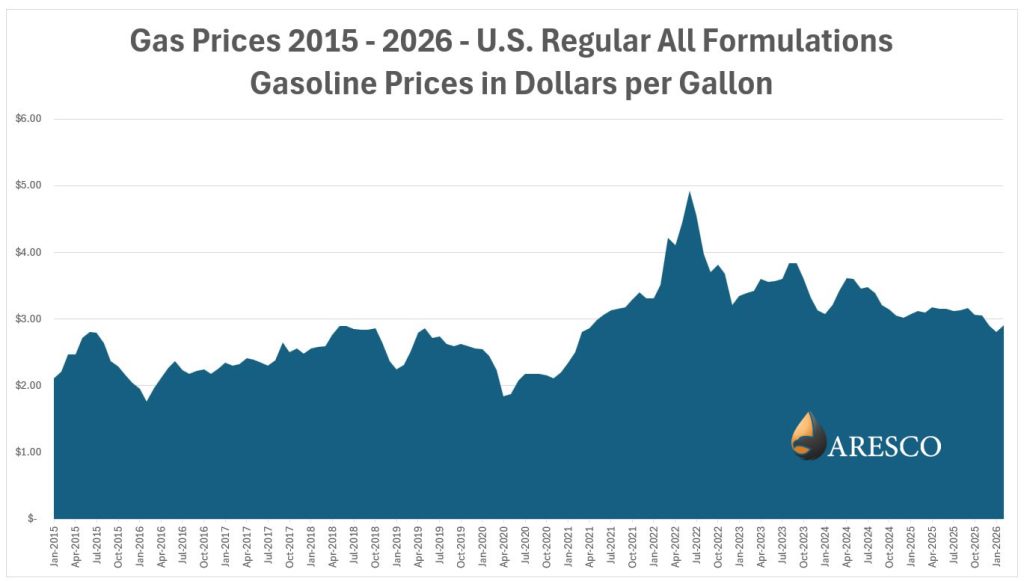
Click Chart for more Information on U.S. Gas Price Spikes
Below is a breakdown of the most important spikes in this EIA-based dataset, what caused them, and why prices eventually declined.
Trend:
What caused the decline:
Why prices recovered:
Key spike: September 2017 ($2.65)
2018–2019 increases (up to ~$2.90):
Why prices declined afterward:
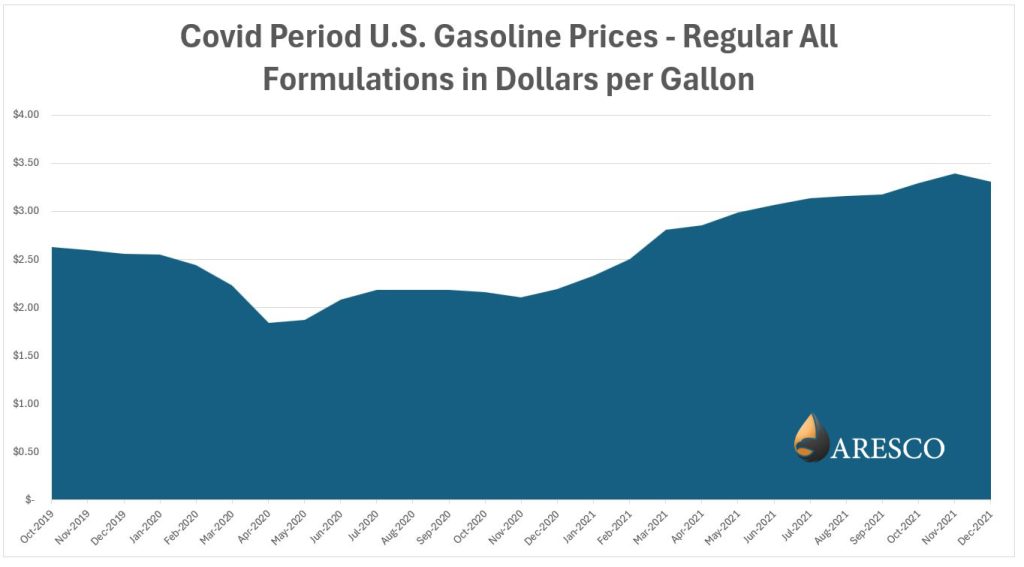
Click Chart for more information on Covid Period Gas Prices
Major drop:
Cause:
Why prices rebounded:
Trend:
Drivers:
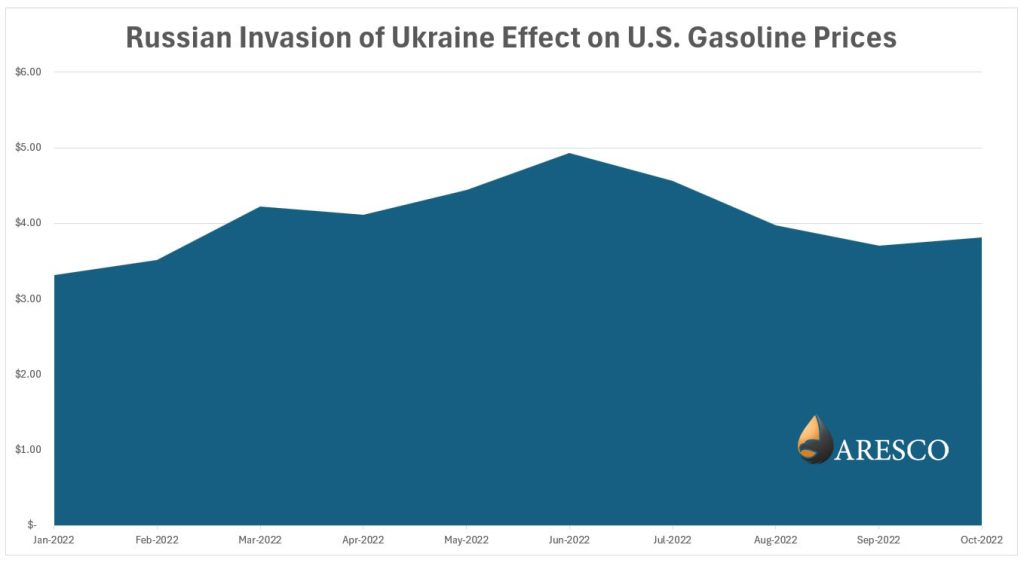
Spike:
Primary cause:
Additional pressures:
Why prices declined:
By the end of 2022, prices had dropped back to $3.21.
Spike: August–September 2023 (~$3.84)
Cause:
Why prices declined:
Trend:
What drove stability:
Late 2025 decline:
At the start of 2026, gasoline prices remained relatively stable and even declined slightly based on EIA data. However, underlying conditions were shifting:
These factors set the stage for the next major move.
What happened:
Impact on oil and gasoline prices:
Why the spike was so sharp:
Will Prices Decline Again?
History strongly suggests that this spike—like others in the EIA dataset—will eventually correct.
Reasons prices typically fall after spikes:
Even in the current situation, analysts expect that prices will ease once supply routes normalize or geopolitical tensions de-escalate, just as they did after previous disruptions.
Nearly every spike aligns with a sharp increase in crude oil prices.
Even when crude supply is available, limited refining capacity can push gasoline prices higher.
Markets consistently rebalance after shocks to the system.
The gasoline price trends from 2015 through 2026—based on EIA-reported data—demonstrate that volatility is not random, but event-driven and cyclical. Each major spike in this period can be traced to a specific disruption, whether it was oversupply, a collapse in demand, or geopolitical conflict.
The most recent surge in March 2026, tied to the U.S.–Israel–Iran conflict, is another clear example. A sudden threat to global oil supply triggered a rapid increase in crude prices, which immediately translated to higher gasoline prices across the United States.
However, if history is any guide, these spikes tend to be temporary. As markets adjust—through increased production, reduced demand, or easing geopolitical tensions—prices typically move back toward equilibrium.
For investors and observers alike, the takeaway is simple:
gasoline price spikes may be sharp, but they are rarely permanent—and they almost always follow a predictable pattern rooted in global supply and demand dynamics.
Be sure to follow Aresco on LinkedIn.
This is not an offer to sell nor solicitation of an offer to buy any security. Such offer may only be made by a written prospectus in a jurisdiction wherein the offering is duly registered or exempt therefrom. This content is provided for informational purposes only. Nothing herein shall be construed as tax, legal, or accounting advice. Investing in oil and gas is highly speculative and could result in substantial losses. There are no guarantees that any returns will be achieved. Potential investors should consult their attorney, accountant, and financial advisors before investing in oil and gas.



© Copyright 2026 Aresco, LLC. All rights reserved. | Privacy Policy | Admin Log in
